Understanding Seattle's Middle Housing Bill: What it Means for Homeowner's Property Value, & Site Design
november 6, 2025
Introduction
Seattle's Middle Housing Bill marks one of the most significant zoning shifts in recent decades. For homeowners and small-scale property owners, it changes what's possible on residential lots citywide - especially in neighborhoods previously zoned for single-family homes.
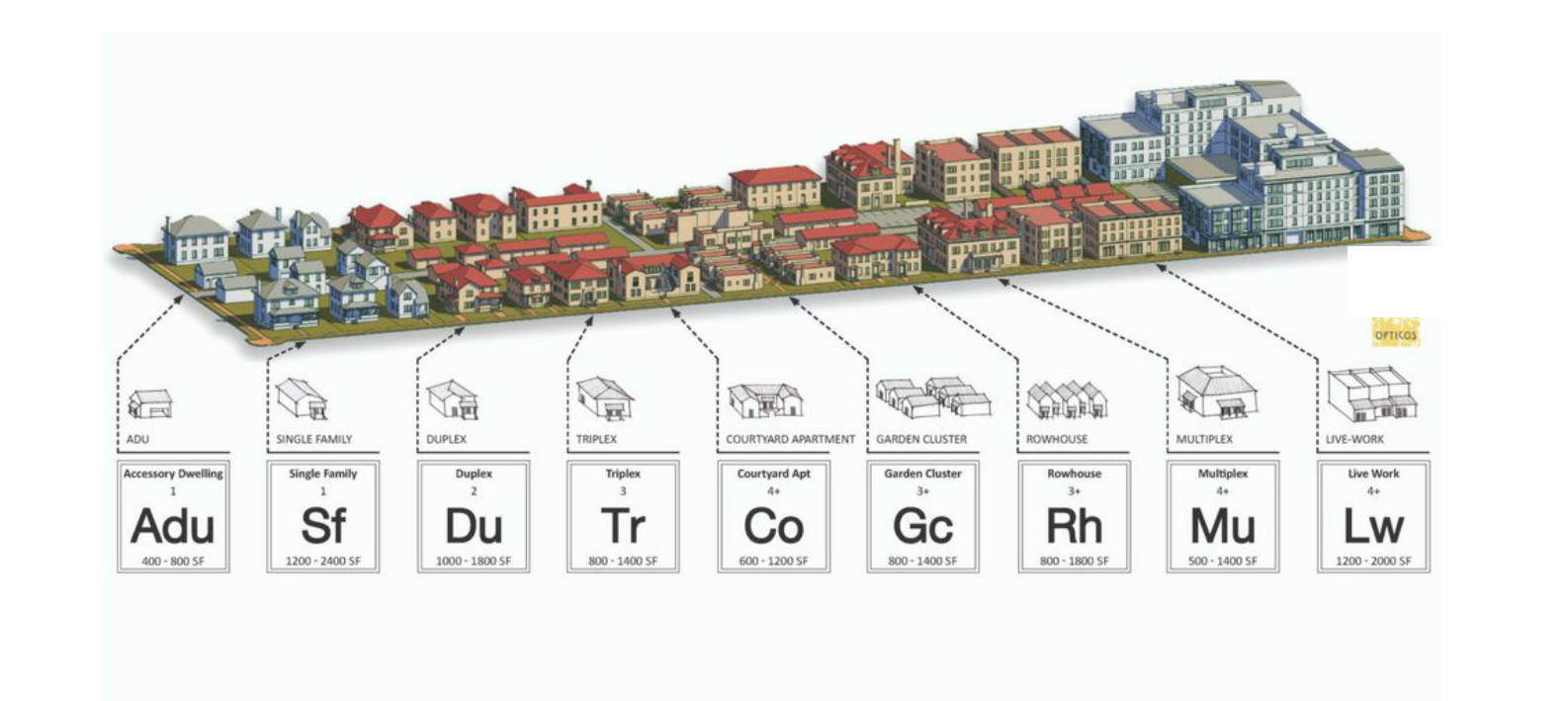
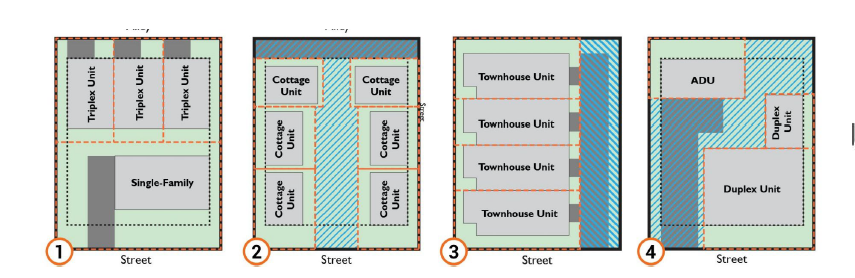
The goal of the legislation is to encourage more diverse housing options: duplexes, triplexes and backyard cottages (ADUs & DADUs). For property owners, this could mean new opportunities for flexibility, value, and use - but it also introduces a layer of complexity that takes thoughtful planning more important than ever.
What the Middle housing bill allows
Depending on your lot's zoning, size, and location, the new rules may allow:
- Additional housing units, such as mother-in-law cottage or backyard DADU
- Duplexes, triplexes, or fourplexes on standard residential lots
- Modest increase in lot coverage and impervious surface area
- More flexibility in off-street parking design
For many homeowners, this means options that weren't feasible before - whether to create a rental unit, house family members, or increase resale potential.
What hasn't changed
While the new Bill expands building potential, several core site regulations remain:
- Tree protection requirements are still in effect, including replacement and retention standards
- Setbacks remain in place but may vary for new types of housing or smaller lots
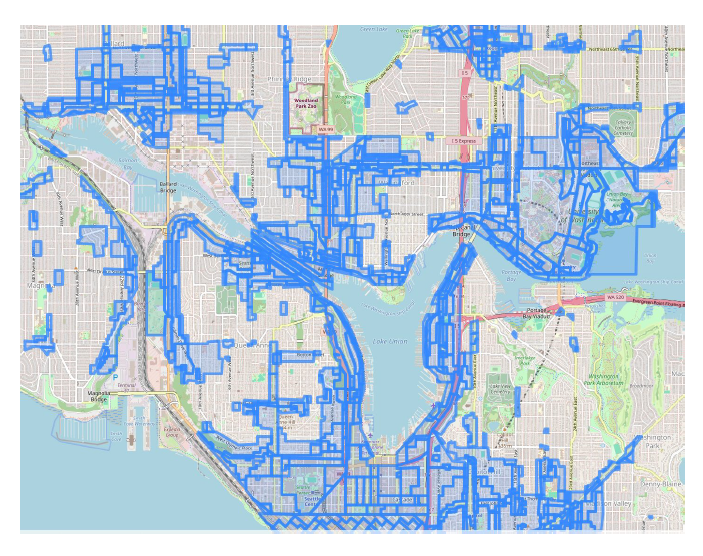
- Environmentally critical areas (ECA) designations - such as steep slopes, wetlands, and shorelines - continue to require additional review
In other words, while there's more flexibility, not every lot will support the same level of redevelopment. The feasibility depends on how your site's physical and environmental characteristics intersect with city code.
The role of site design in maximizing opportunity
The changes highlight a part of the development process that often goes overlooked: site planning. A Landscape Architect plays a key role in understanding how new structures, circulation, trees, drainage, and privacy fit together on a lot:
- Analyze lot constraints such as slopes, access points, and root zones
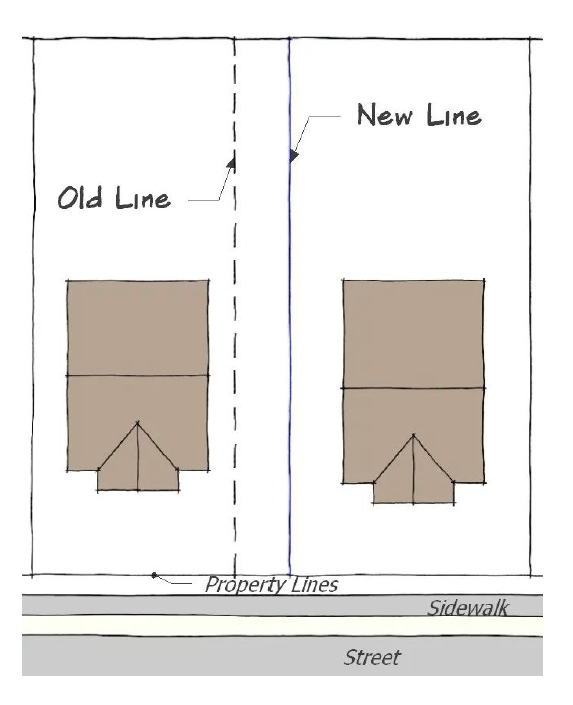
- Explore lot boundary adjustments or potential small-lot subdivisions with a licensed surveryor
- Evaluate stormwater and grading implications of new impervious surfaces
- Design site layouts that integrate additional units while preserving privacy, light, and views
A well-considered site plan can make the difference between a project that is technically possible on paper and one that is truly livable and valuable in practice.
Real estate meets site planning
Real estate and landscape architecture often meet at a critical intersection - especially when zoning changes affect long-term property value. By pairing real estate expertise with site-specific analysis, property owners can make informed choices: whether to hold, improve, or subdivide. Eva Otto at Infiniti Real Estate, who has been tracking the bill's implementation closely, notes that:
" Many homeowners are surprised to learn how much flexibility the new rules offer - but understanding the physical limits of your lot is just as important as knowing its zoning. " - Eva Otto at Infiniti Real Estate
Privacy, views, and neighborhood character
As density increases, questions of privacy, open space, and neighborhood fit to become more relevant. Landscape architects can help manage those transitions by designing screening, setbacks, and grading that protect the quality of life for both existing and new residents.
In neighborhoods where views and vegetation defince property value, integrating these considerations early can prevent conflicts later - both with the permitting process and with neighbors.
steep and waterfront properties
Many areas affected by the Middle Housing Bill also fall within Seattle's ECA zones, including steep slopes and waterfronts. These lots are still subject to additional environmental scrutiny. Redevelopment in these locations often benefit from early coordination between a landscape architect, geotechnical engineer, and real estate advisor to balance feasibility with long-term stability and code compliance.
Looking ahead
The Middle Housing Bill represents a new phase in how Seattle evolves - one that attempts to balance growth with livability. For property owners, the key takeaway is that new options exist, but they require careful evaluation to avoid unintended consequences.
Understanding your site - its grades, drainage, trees, and regulatory overlays - is now as important as understanding your zoning.
Working with professionals like SHD Landscape Architecture and your real estate professional can help ensure that the opportunities created by the new legislation translate into responsible, well-integrated, and value-conscious outcomes.
let's talk about your property